


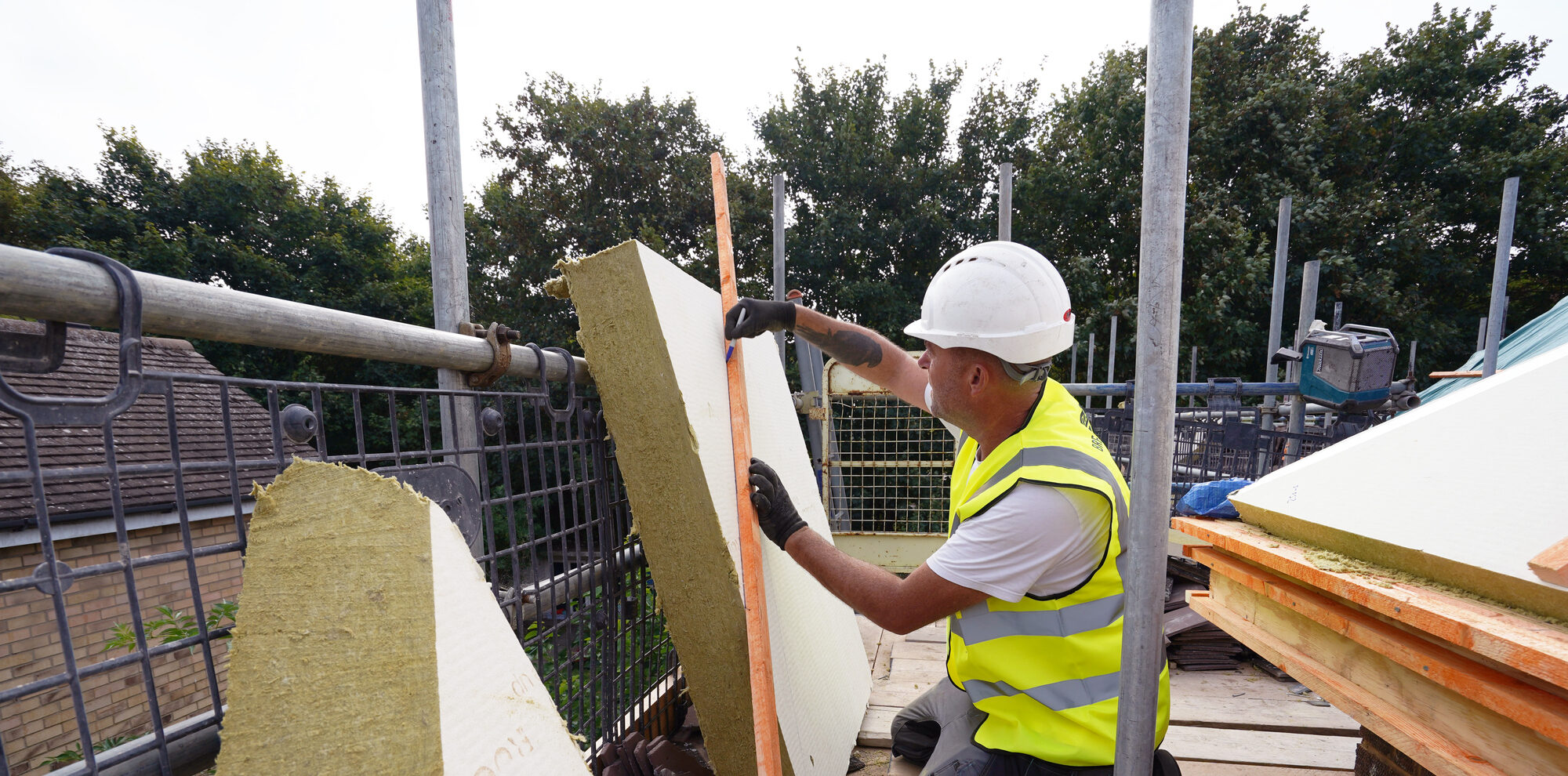
Fire Safety for Critical Live Environments
Fire safety in healthcare, education, defence and the public sector operates under constant operational and regulatory pressure. Buildings remain occupied, services continue, and regulators closely scrutinise performance. Delivery has to work within those conditions without disrupting care, learning, or day-to-day operations.
We deliver fire safety in live environments where closure is not an option. Our teams plan and execute work on how buildings operate in practice, coordinating closely with estates and operational leaders to protect people while maintaining service continuity.
Fire Safety
Active & Passive Fire Safety
Fire Doors

Replacing and installing certified fire doors to contain fire and smoke, ensuring safe evacuation routes and compliance with regulations.
Cladding

Installing fire-resistant cladding to enhance building safety and meet current fire performance standards.
Cavity Barriers

Fire compartmentation using cavity barriers to contain fires and stop them from spreading.
Penetration Seals

Maintaining the fire resistance of walls, floors and sealing to protect electrical cables and pipework.
Emergency Systems

Installing emergency lighting, fire alarms, and sprinklers to support early detection and safe evacuation during a fire.
Protecting People, Buildings and Reputations

Protecting People
We install and maintain fire safety systems that safeguard lives.

Protecting Assets
We preserve the integrity and long-term value of your estate

Protecting You
We provide you with clear, verifiable proof of compliance.
Why Choose Us
Specialist Expertise for the public sector
Fire safety in occupied buildings isn’t just about compliance. It’s about understanding how a hospital ward, lecture theatre, or civic building actually works, then delivering protection and compliance that fits around it.
We provide passive and active fire protection through directly managed teams, supported by experienced project oversight and on-site coordination. That allows programmes to move forward safely and efficiently, even in live buildings, without compromising how those environments need to function.
COMPLIANCE PARTNER

We work alongside public sector estates and operational teams to prioritise risk, sequence work, and align delivery with budgets and operational demands.
HOLISTIC INTELLIGENCE

We understand how buildings, systems, and fire risk interact in real use, which allows us to reduce duplication, close gaps, and support better long-term decisions.
DIGITAL ASSURANCE

Our digital platform brings every survey, action, and certificate into a single live record of truth. Real-time dashboards show your compliance, so when regulators ask, you have proof.
SECTOR EXPERTISE

We work across the public sector, where scrutiny runs high, and disruption carries consequences. That experience shapes how we plan, deliver, and evidence fire safety in live environments.
FIRE SAFETY SERVICES FOR THE PUBLIC SECTOR
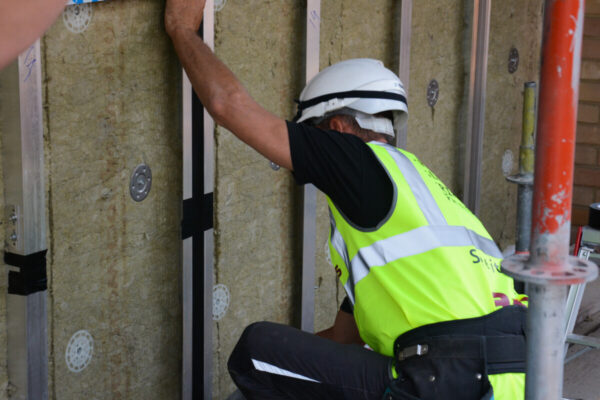
Passive Fire Protection
We install and maintain the barriers that contain fire and protect life.
- Compartmentation surveys and remediation.
- FIRAS and BM Trada-accredited fire door installation and certification.
- Specialist fire stopping for penetrations and linear gaps.
- Compliant cladding system design and installation.

Active Fire Protection
We provide detection and suppression that protect people and property.
- Fire detection and alarm systems to BS 5839-1.
- Sprinkler, water mist, and fire suppression systems.
- Emergency lighting to BS 5266.
- Full design, installation, commissioning and maintenance.
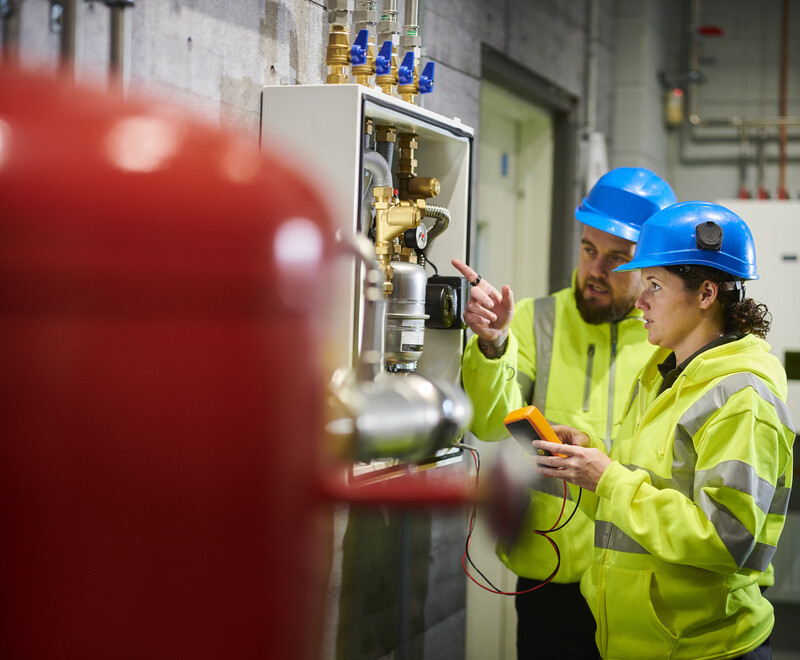
Compliance & Assurance
We asses, plan, and document every aspect of your fire safety position.
- Comprehensive fire risk assessments by accredited assessors.
- Strategic fire safety policies and compliance roadmaps.
- Golden Thread digital information management.
- Regulatory liaison with BSR, RSH and Fire and Rescue Services.
Sectors Served

Healthcare

Defence

Education

Social Housing
Our Sectors
Healthcare
Protecting Care Without Disrupting It
Hospitals and clinics run continuously and require the highest standard of compliance with minimal disruption.
- We help you achieve Defensible Certainty across fire doors, compartmentation, detection and suppression in live clinical environments.
- We work incoordination with infection control, estates and clinical teams to minimise disruption and protect patient pathways.
- Everything is recorded in a single digital record of proof, ready for regulators, CQC inspection and internal governance.

Our Sectors
Defence
Operational Readiness, Never Compromised
Defence estates must remain secure, operational and compliant with no room for disruption. Fire safety is mission-critical.
- We deliver Defensible Certainty across fire doors, compartmentation, detection, suppression, and complex remediation, in full alignment with JSP 375, SIEG, and DIO standards.
- Our SC-cleared teams work discreetly and plan around operational priorities to protect confidentiality and readiness.
- Everything is captured in our digital assurance platform, providing leaders with an auditable record of proof.

Our Sectors
Education
Safeguarding That Keeps Learning Uninterrupted
Education estates must protect students and staff while keeping learning running smoothly.
- We help you achieve Defensible Certainty across fire doors, compartmentation, detection and suppression, aligned with DfE guidance, BB100 and Ofsted standards.
- All personnel are enhanced DBS-checked and work within strict safeguarding protocols. We plan around academic calendars to minimise disruption and maintain continuity.
- Everything is captured in a single digital record of proof, providing estate leaders and governors with clear evidence of compliance.

Our Sectors
Social Housing
Built for Accountability & Resident Trust
Social housing demands visible and defensible fire safety. Residents, regulators, and boards expect clear proof that homes are safe.
- We support Accountable Persons with complete, evidence-led protection across FRAs, fire doors, compartmentation, detection and cladding.
- Our teams work sensitively in occupied homes and minimise disruption.
- Everything is captured in one digital record of proof, giving you Defensible Certainty across your entire portfolio.
Our Sectors
Healthcare
Protecting Care Without Disrupting It
Hospitals and clinics run continuously and require the highest standard of compliance with minimal disruption.
- We help you achieve Defensible Certainty across fire doors, compartmentation, detection and suppression in live clinical environments.
- We work incoordination with infection control, estates and clinical teams to minimise disruption and protect patient pathways.
- Everything is recorded in a single digital record of proof, ready for regulators, CQC inspection and internal governance.
Our Sectors
Defence
Operational Readiness, Never Compromised
Defence estates must remain secure, operational and compliant with no room for disruption. Fire safety is mission-critical.
- We deliver Defensible Certainty across fire doors, compartmentation, detection, suppression, and complex remediation, in full alignment with JSP 375, SIEG, and DIO standards.
- Our SC-cleared teams work discreetly and plan around operational priorities to protect confidentiality and readiness.
- Everything is captured in our digital assurance platform, providing leaders with an auditable record of proof.
Our Sectors
Education
Safeguarding That Keeps Learning Uninterrupted
Education estates must protect students and staff while keeping learning running smoothly.
- We help you achieve Defensible Certainty across fire doors, compartmentation, detection and suppression, aligned with DfE guidance, BB100 and Ofsted standards.
- All personnel are enhanced DBS-checked and work within strict safeguarding protocols. We plan around academic calendars to minimise disruption and maintain continuity.
- Everything is captured in a single digital record of proof, providing estate leaders and governors with clear evidence of compliance.
Our Sectors
Social Housing
Built for Accountability & Resident Trust
Social housing demands visible and defensible fire safety. Residents, regulators, and boards expect clear proof that homes are safe.
- We support Accountable Persons with complete, evidence-led protection across FRAs, fire doors, compartmentation, detection and cladding.
- Our teams work sensitively in occupied homes and minimise disruption.
- Everything is captured in one digital record of proof, giving you Defensible Certainty across your entire portfolio.
The Golden Thread
Delivering Compliance Across the public sector
Our digital platform creates a single Golden Thread of fire safety information across live public-sector estates. Surveys, completed works and certification link directly to buildings and delivery activity, forming a clear, auditable record of what has been assessed and completed. That record gives estates teams, operational leaders, and regulators a clear, auditable view of fire safety delivery without disrupting care, learning or day-to-day operations.

Survey
Identify, assess and record all fire safety risks across your estate

Works
Remediate issues, verify completion and capture evidence of every action

Certification
Formalise and store all compliance documentation in one place

Data
Monitor performance, analyse trends and integrate portfolio-wide insights

Proof
Generate regulator-ready assurance documentation on demand


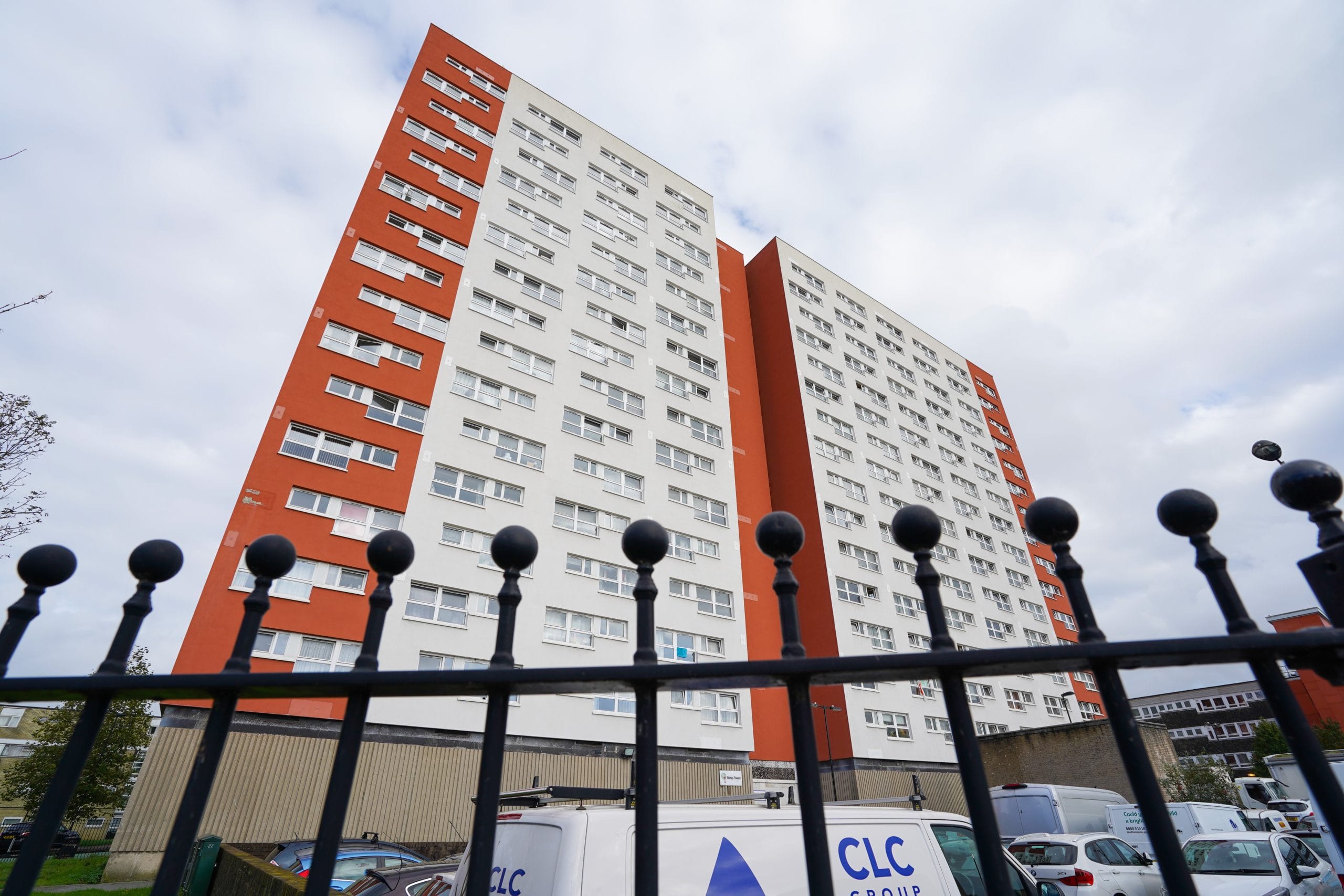


TRUSTED BY THE PUBLIC SECTOR NATIONWIDE


ACHIEVE FIRE SAFETY COMPLIANCE ACROSS YOUR ESTATE
Let us help you turn complexity into clarity. Speak to our team to discuss how we can help you protect your people, assets and reputation.

Accreditations
Selected accreditations held within the Axis CLC group





VIEW OUR FIRE SAFETY BROCHURE




Fire Safety FAQs
What sort of fire stopping works does CLC conduct?
CLC has completed and is actively progressing various Fire Risk Assessment (FRA) programmes for many of our clients nationwide. Our operations range from initial risk assessment and reporting to remedial and renewal installation works.
These include:
· Compartmentation
· Design and installation of fire detection systems and emergency lighting works
· Front doors provided in FD30s and FD60s to include secure-by-design
· Installation of fire batts, fire collars, and fire pillows and all forms of penetration sealings
· Installation of fire curtains and ‘Firetherm Intudeck’ systems within loft spaces
· Manufacture and installation of new third party accredited fire-rated communal and front entrance door sets. Test evidence provided including burn tests to both sides of the doors
· Passive and Active Fire Stopping systems
· Upgrade and repairs to existing certified door-sets
All product manufacture covered by third party accreditations; FIRAS and BM Trada
What are active fire stopping solutions?
Active fire solutions are designed to detect fires, suppress them, or assist with safe evacuation. These systems can be activated manually or automatically and include Automated Fire Detection (AFD), Automatic Opening Vents (AOV), emergency lighting, fire alarms, smoke detectors, sprinkler systems, and directional signage.
What are passive fire stopping solutions?
Passive fire solutions are intended to contain fires and slow the spread of flames and smoke. These measures typically involve installing components such as cavity barriers, fire batts, pillows, sleeves, curtains, collars, wraps, firestops, penetration seals, and Firetherm Intudeck systems in loft spaces.
Do active and passive fire stopping solutions work together?
Yes, both active and passive fire protection measures are essential and work together to form a comprehensive fire safety strategy within a building. While active systems respond to detect, suppress, or aid evacuation during a fire, passive systems focus on containment and limiting the fire’s spread to protect occupants and property.
What is compartmentation in fire safety?
Compartmentation involves dividing a building into separate ‘compartments’ to help contain and control the spread of fire and smoke. Each compartment is reinforced with fire-resistant materials and equipped with protective elements such as fire doors, cavity barriers, and other fire-stopping measures to enhance containment and safety.
How do sprinklers work?
Sprinklers are heat-activated systems that respond when a room reaches temperatures of around 60–70°C. Once triggered, they release water to suppress or control the fire in the affected area.
Who conducts CLC’s fire stopping works?
With over 50 years of industry experience and membership in all relevant compliance and regulatory bodies, our team possesses deep expertise in fire safety legislation and compliance, backed by the necessary qualifications and training.
Fire risk assessments should always be conducted by qualified and certified professionals, such as those at CLC. Our experienced operatives are equipped with the knowledge and credentials to identify fire risks, recommend effective fire-stopping solutions, and deliver work that meets the highest standards of quality and regulatory compliance.
Can fire-stopping measures be retrofitted?
Yes, fire-stopping measures can be retrofitted into existing buildings that fall short of current fire safety standards. This process involves evaluating the building for fire risks, pinpointing non-compliant or vulnerable areas, and installing suitable fire-stopping solutions to improve the structure’s overall fire resistance and safety.