


AWAAB’S LAW COMPLIANCE
Managing Damp & Mould Within Tight Deadlines
Damp and mould are no longer routine issues. They sit within a more demanding regulatory environment, where response times, evidence quality, and delivery consistency are under scrutiny. Awaab’s Law sets clear expectations for investigation, communication and remediation.
Many social housing providers still rely on fragmented systems, making it difficult to meet deadlines and evidence compliance. Delays, gaps in records and unclear decisions increase legal, regulatory and reputational risk while impacting resident wellbeing and trust.
To meet Awaab’s Law with confidence, social housing providers need a coordinated approach that keeps cases moving and maintains a clear audit trail from investigation to resolution.

Emergency Hazard
Investigate and make safe within 24 hours.

Potential Significant Hazard
Complete investigation within 10 working days.

Written Summary
Written findings must be shared within 3 working days of the investigation concluding.

Make Property Safe
Complete relevant safety works within 5 working days of the investigation concluding.

Begin Further Works
Start works within 5 working days of the investigation concluding, or within 12 weeks where this is not possible.
OUR SOLUTION
A Better Way to Manage Damp & Mould
We deliver a connected, end-to-end solution that brings together digital case management, specialist diagnosis and targeted remediation—ensuring each case progresses with clarity, control and consistency. By combining accelerated digital workflows with technical expertise, we support accurate diagnosis, clear evidence and reliable, long-term resolution.
- Faster investigation, reporting and remediation
- Clear, audit-ready records across every case
- Reduced repeat issues through accurate diagnosis
- Greater confidence in outcomes across your portfolio
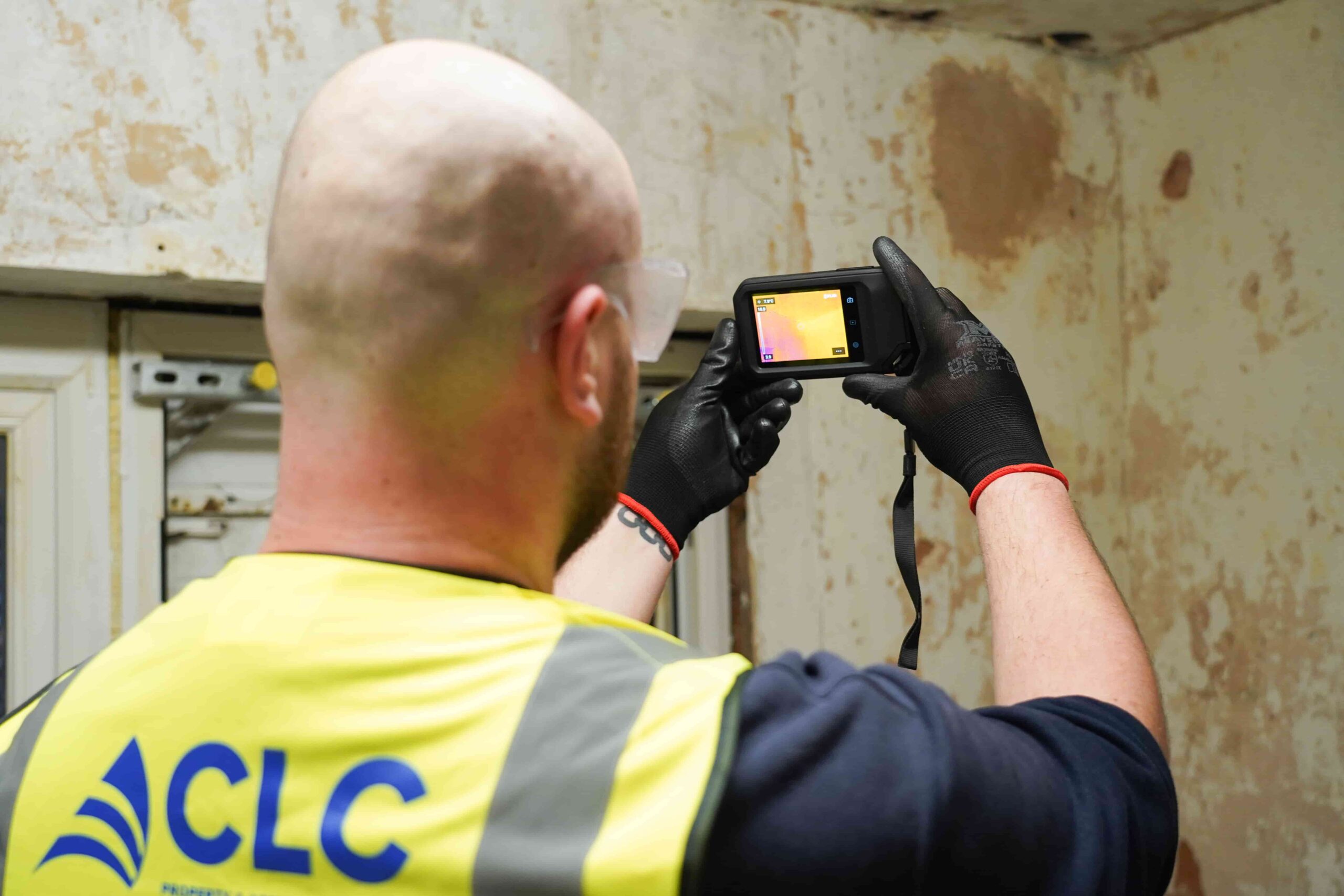
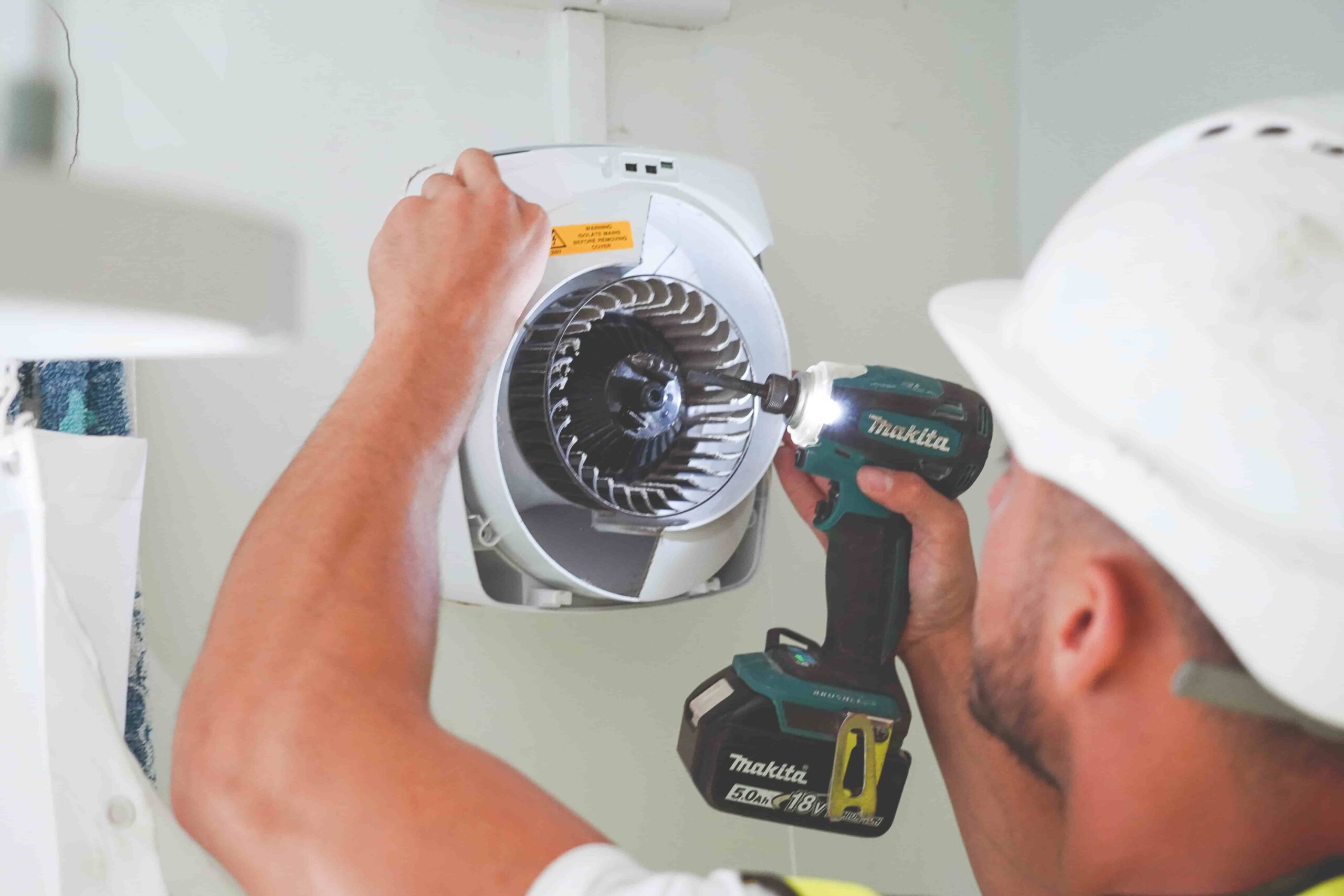
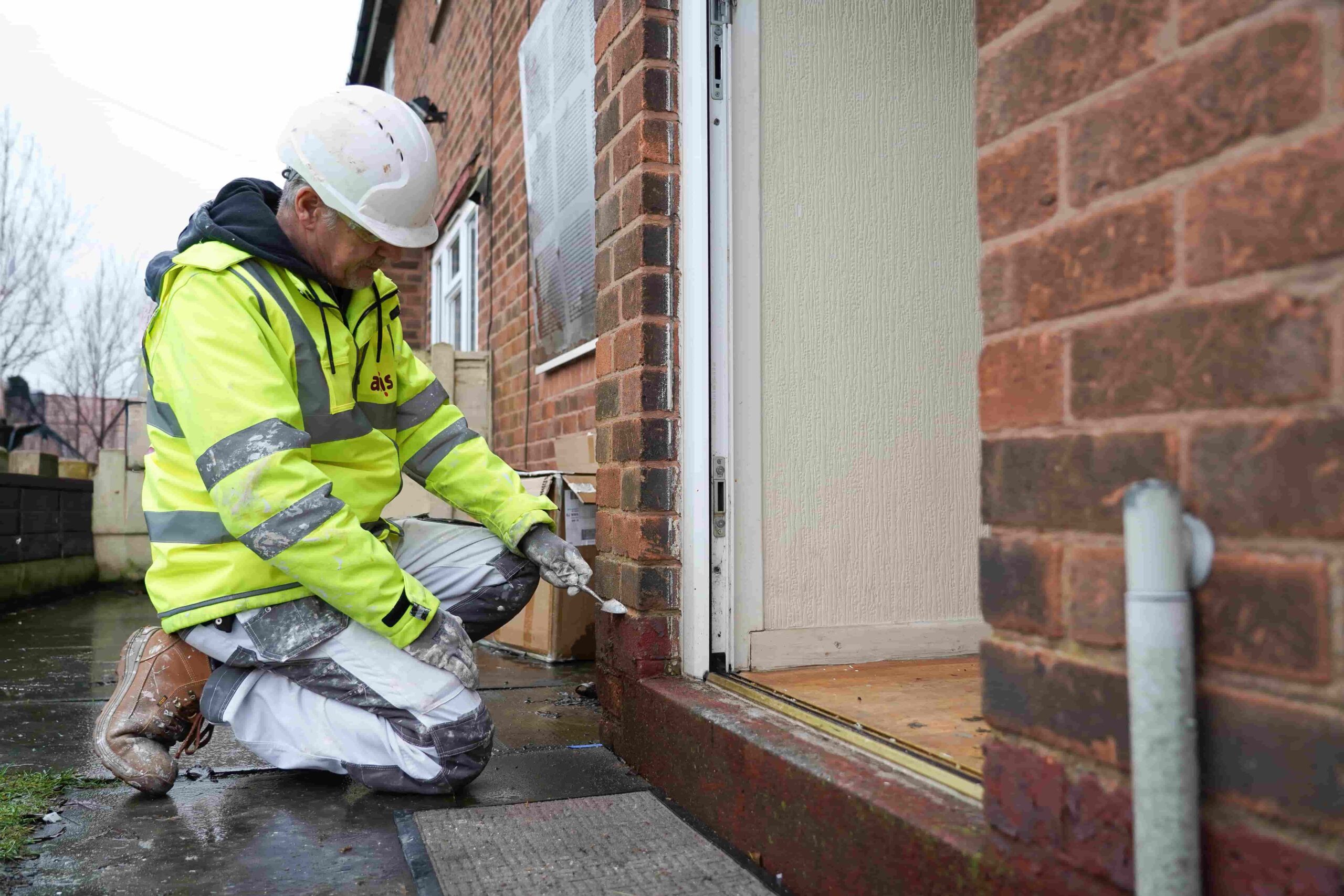
We support the effective management of damp and mould cases across complex housing portfolios. Combining specialist surveying, technical expertise and experienced delivery, we bring clarity, consistency and pace to every stage of the process—ensuring cases are progressed effectively and outcomes remain reliable.
OUR EXPERTISE
A Complete Service for Effective DAMP AND MOULD Resolution
Digital Workflow & Audit Trail

A structured digital workflow that tracks each stage of the case, capturing time-stamped updates, resident communication and supporting evidence to create a clear, accessible audit trail from report through to resolution.
CSRT-Accredited Diagnosis

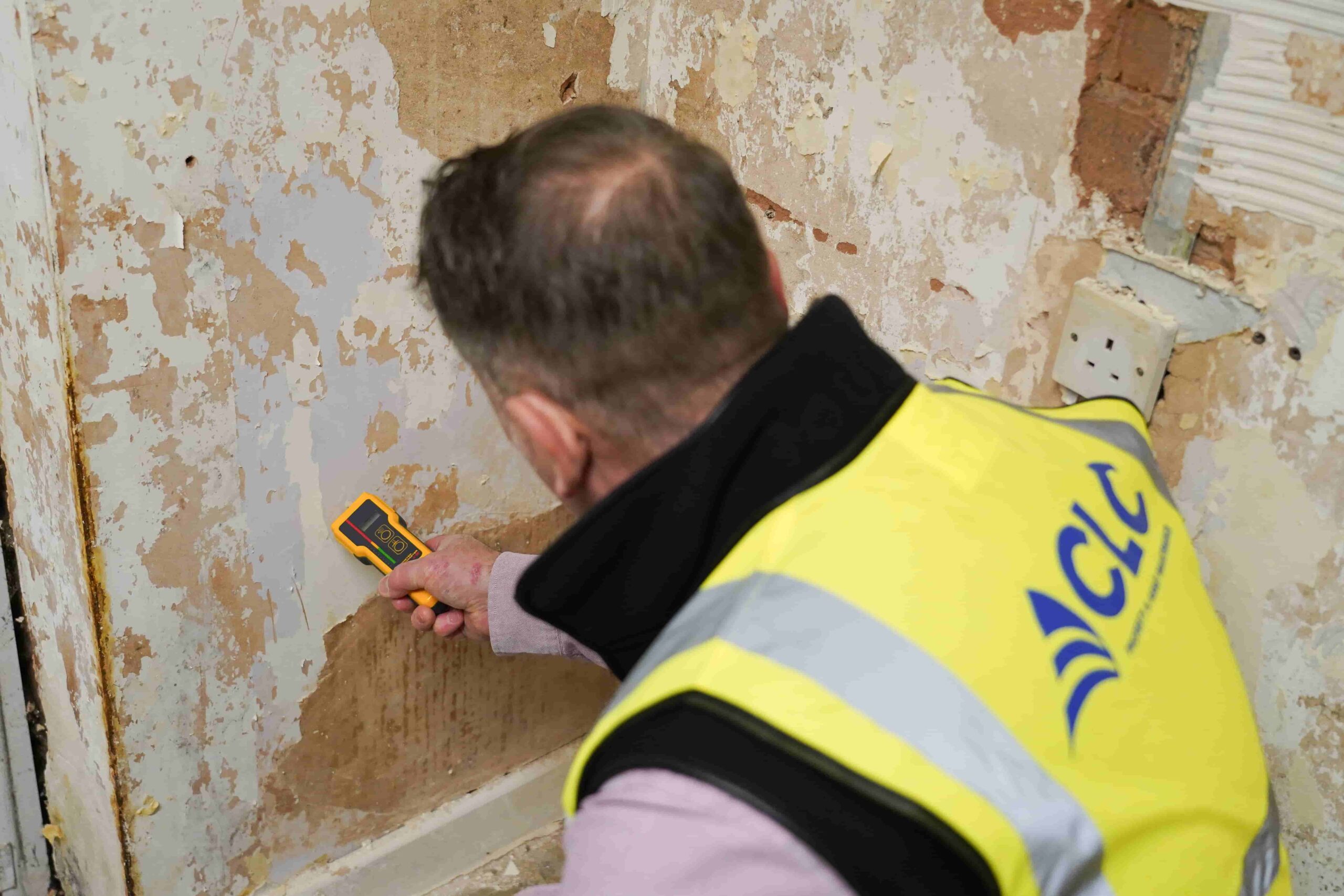
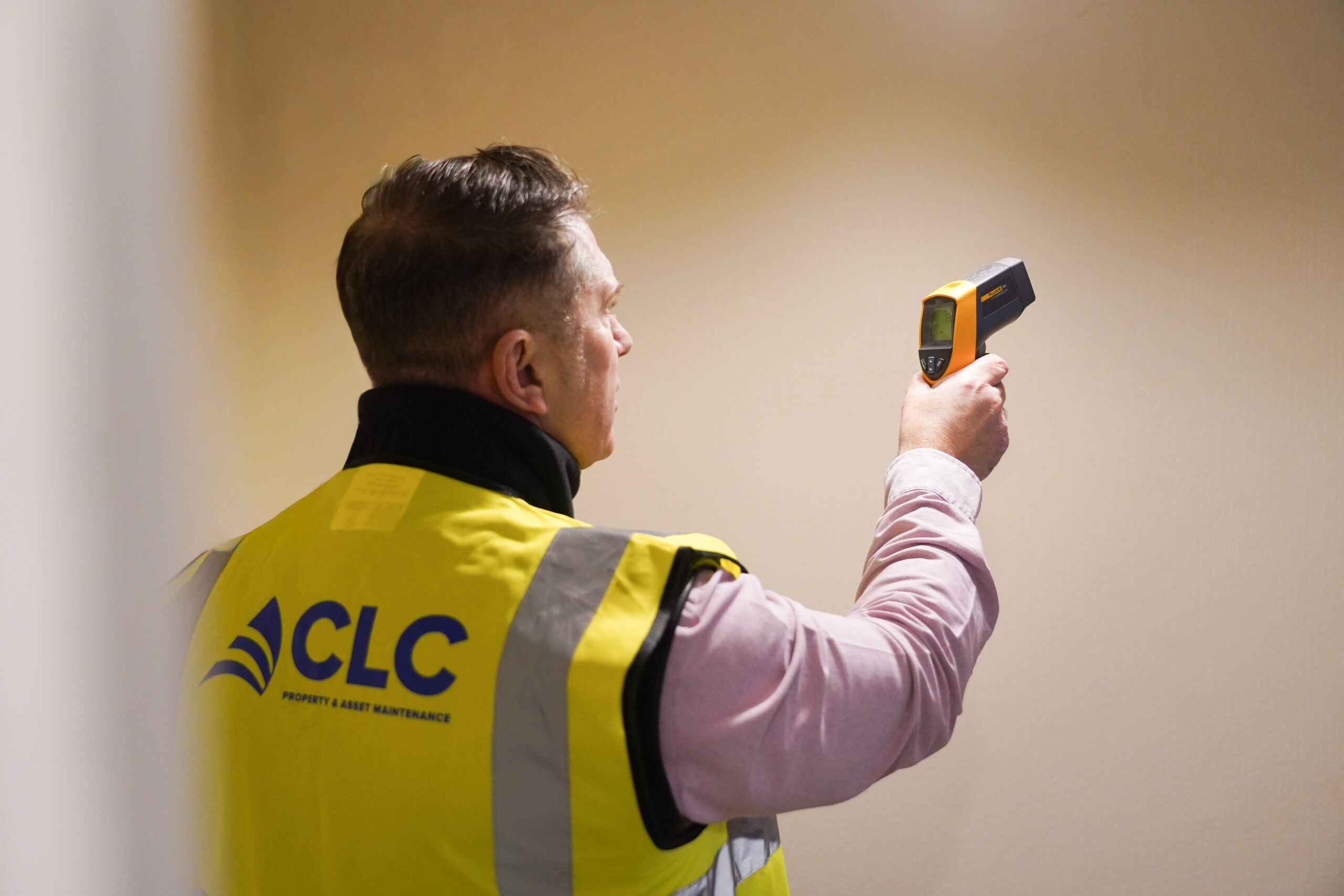
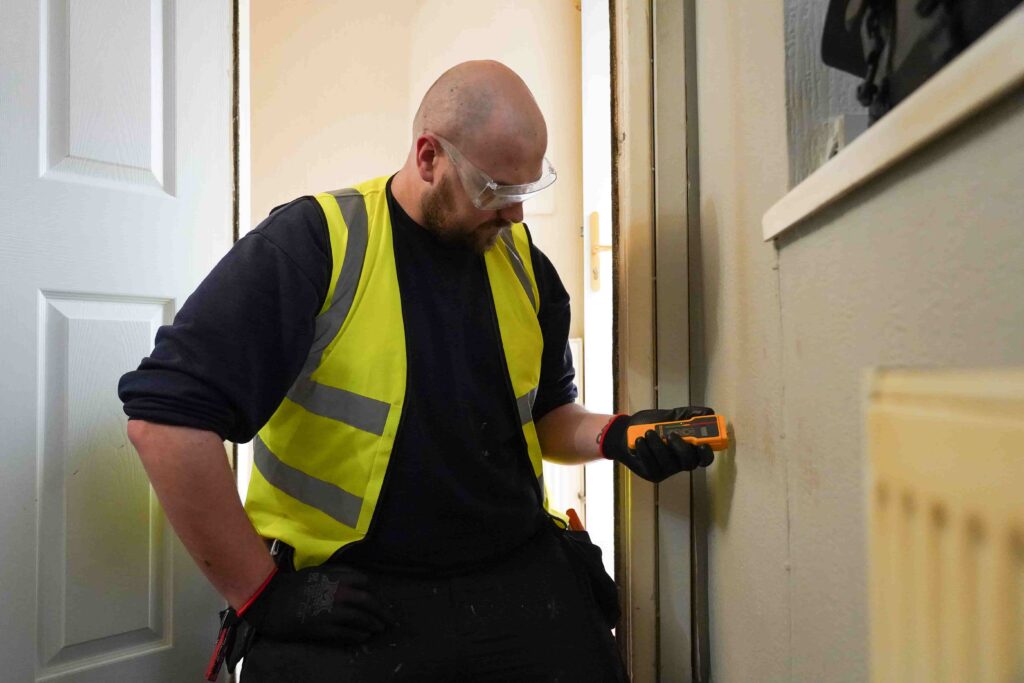
Specialist surveys carried out by CSRT-accredited professionals, using structured investigation and consistent evidence capture to accurately identify root causes and inform the appropriate remedial response.
Root-Cause Hard Fabric Remediation

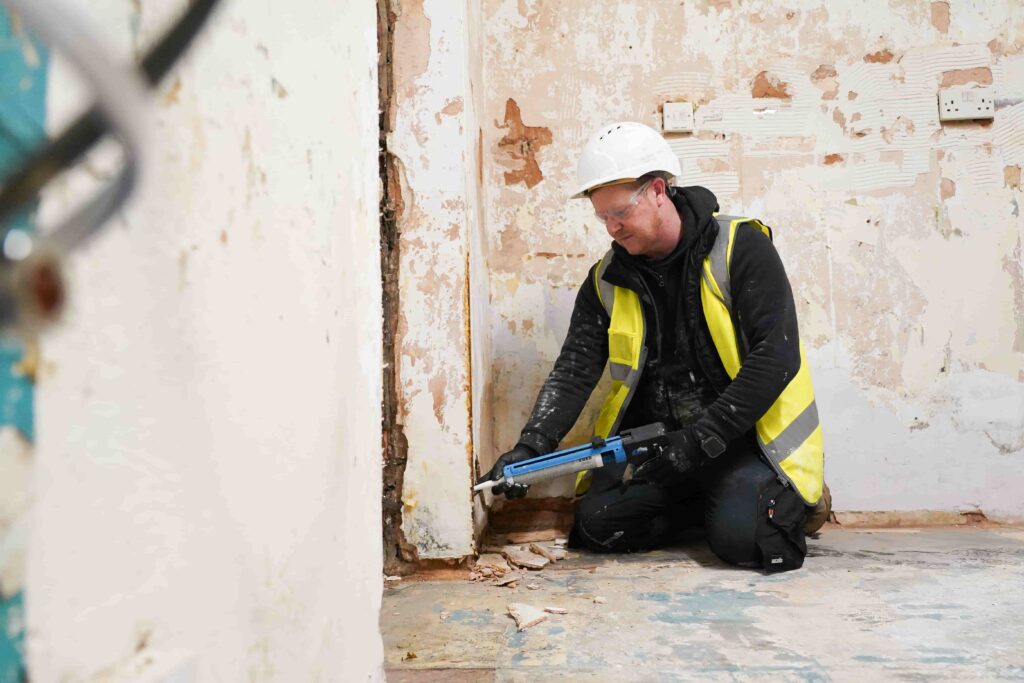
Targeted remediation works designed to address the underlying causes of damp and mould, including fabric repairs, ventilation improvements and moisture control measures to reduce the risk of recurrence.
Emergency Response Capability

Capacity to respond quickly to high-risk cases, with rapid assessment and action to mitigate immediate hazards while maintaining full case documentation and compliance records.
Permanent Hard-Fabric Remediation
Diagnosis & Evidence
- CSRT Surveys: Identify damp causes – condensation, rising damp, penetration and defects..
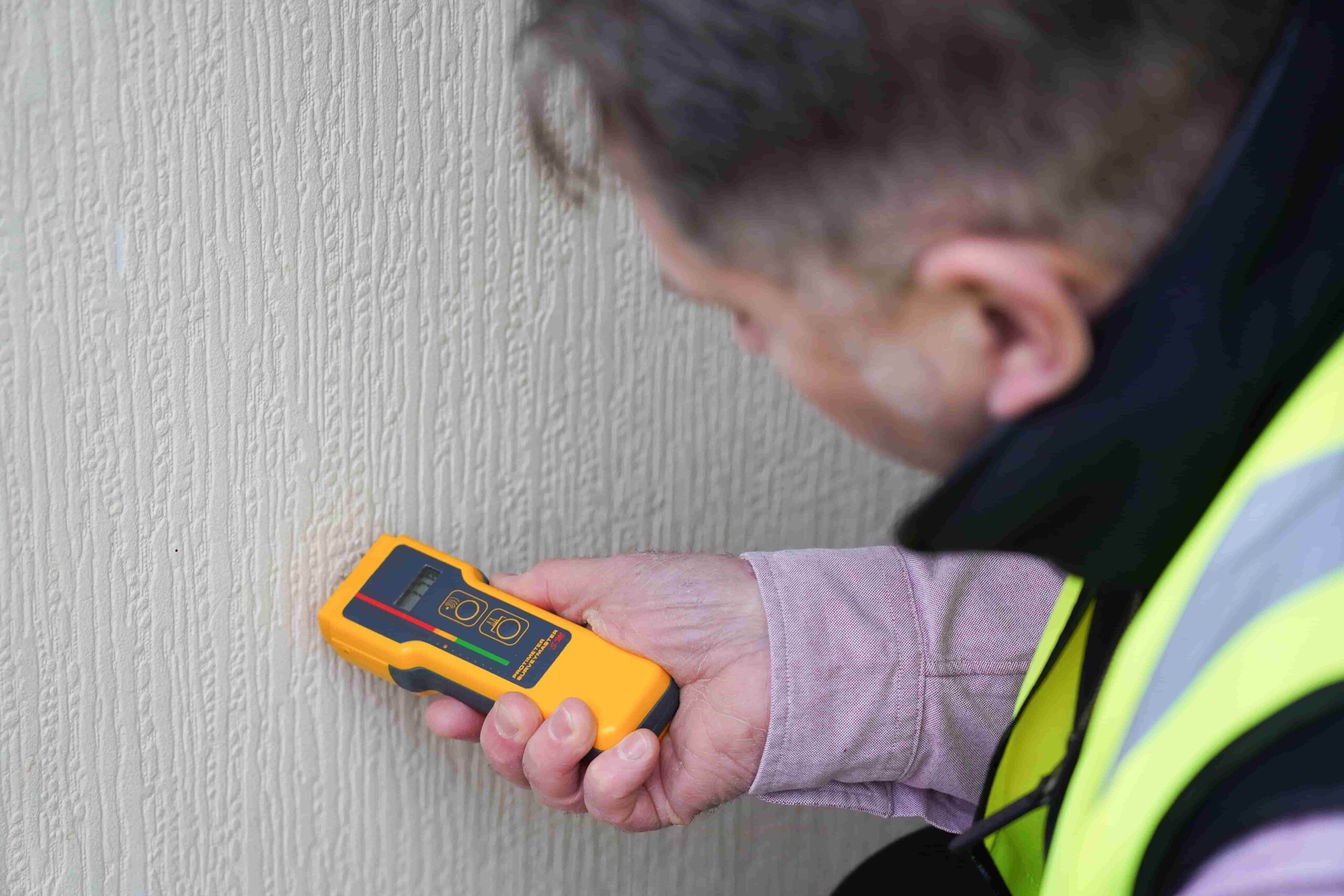
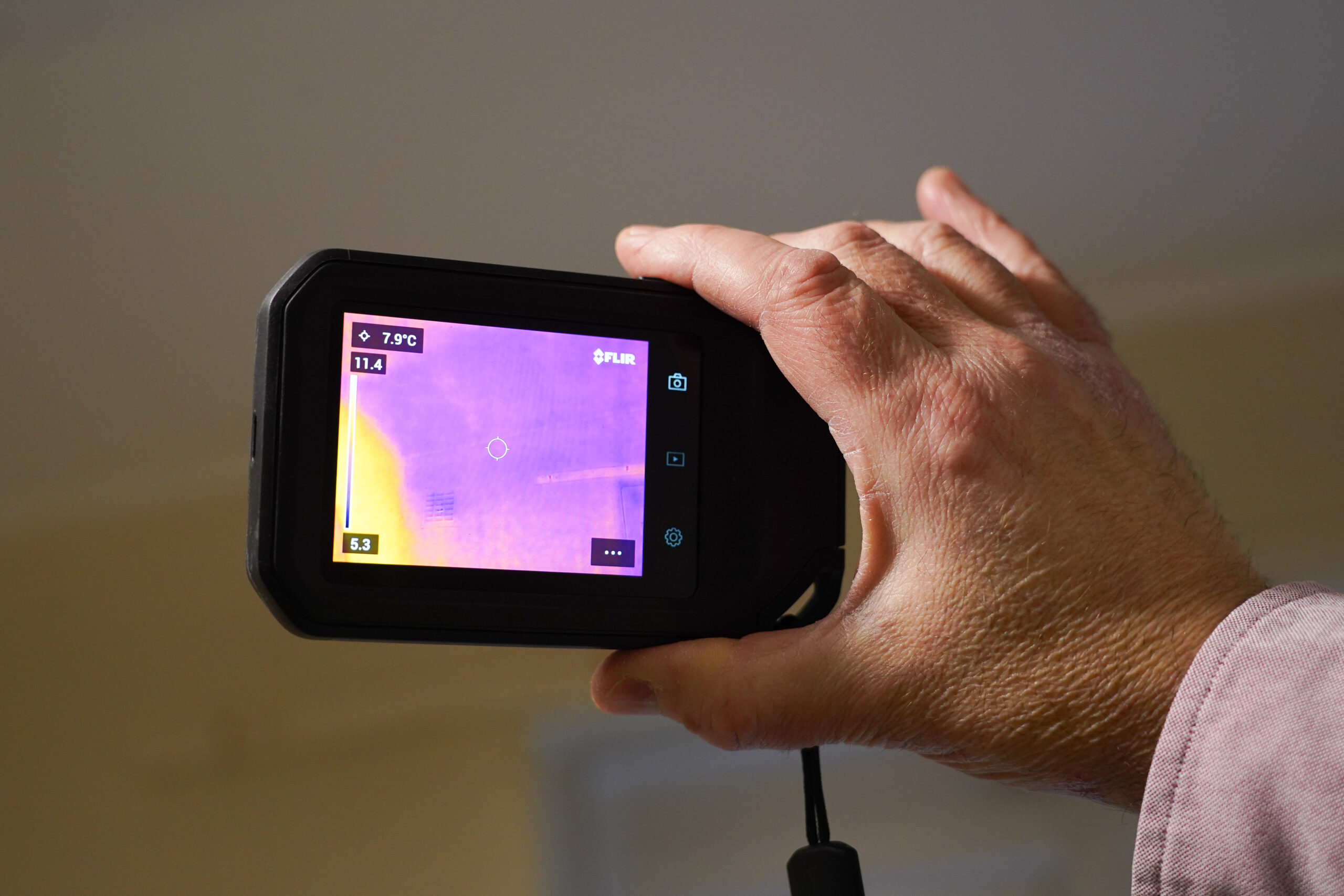
- Moisture Mapping: Readings and data to assess moisture in walls, floors and ceilings.
- Ventilation Assessment: Check ventilation suitability, condition and performance.
- Fabric Inspection: Inspect roofs, drainage, masonry and openings for moisture ingress.
Building Fabric Intervention
- External Envelope Works: Repair roofs, rainwater goods, masonry and render to prevent penetrating damp.
- Damp Proofing: Install or upgrade damp-proof courses to control rising moisture.
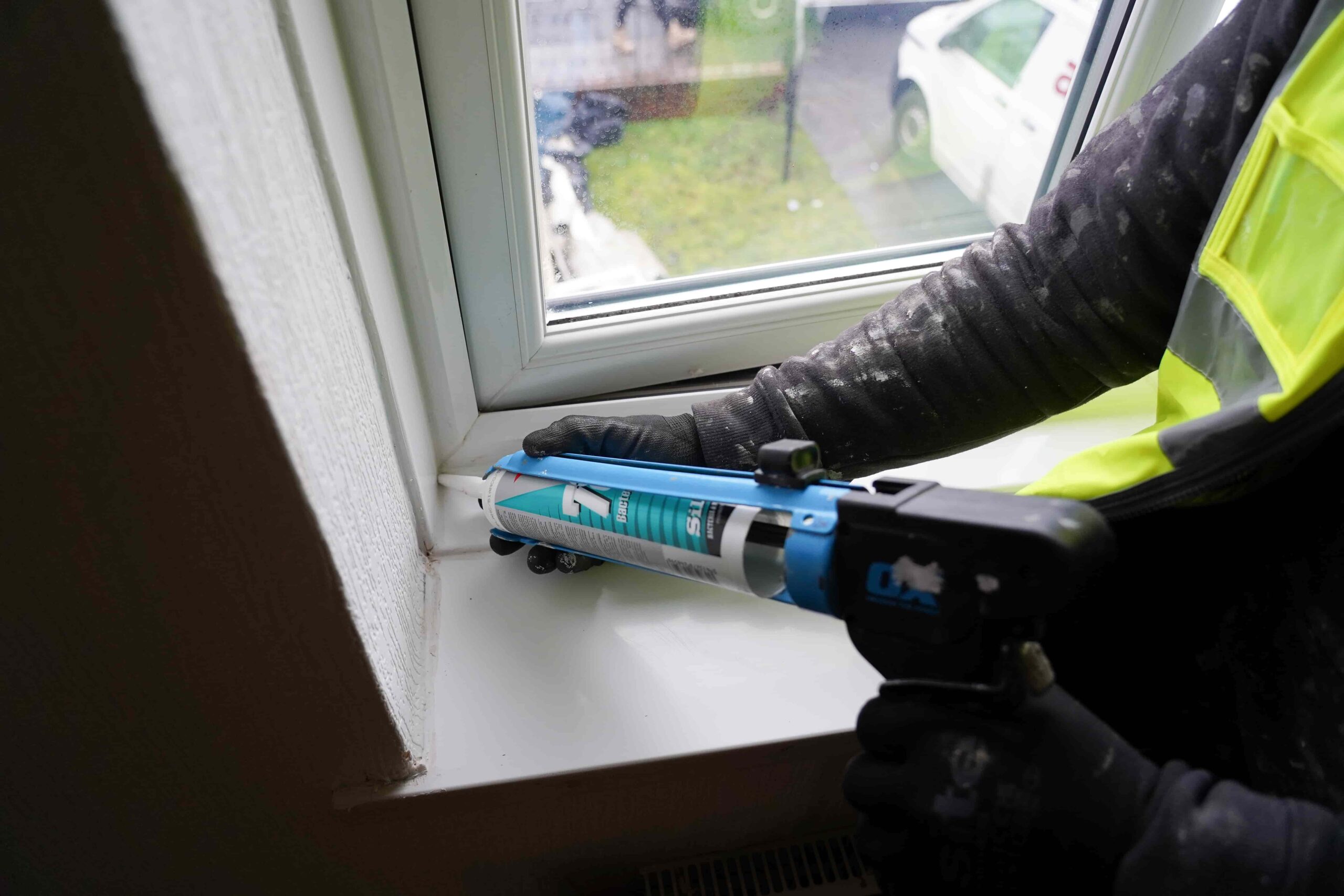
- Openings & Junctions: Repair windows, doors, seals and junctions to reduce ingress and thermal bridging.
- Drainage & Ground Conditions: Clear and repair drainage and ground levels to stop moisture build-up.
Moisture & Airflow Control
- Positive Input Ventilation: Introduces fresh air to dilute moisture and improve internal conditions.
- Mechanical Extract Ventilation: Continuous extract in kitchens and bathrooms to control humidity.
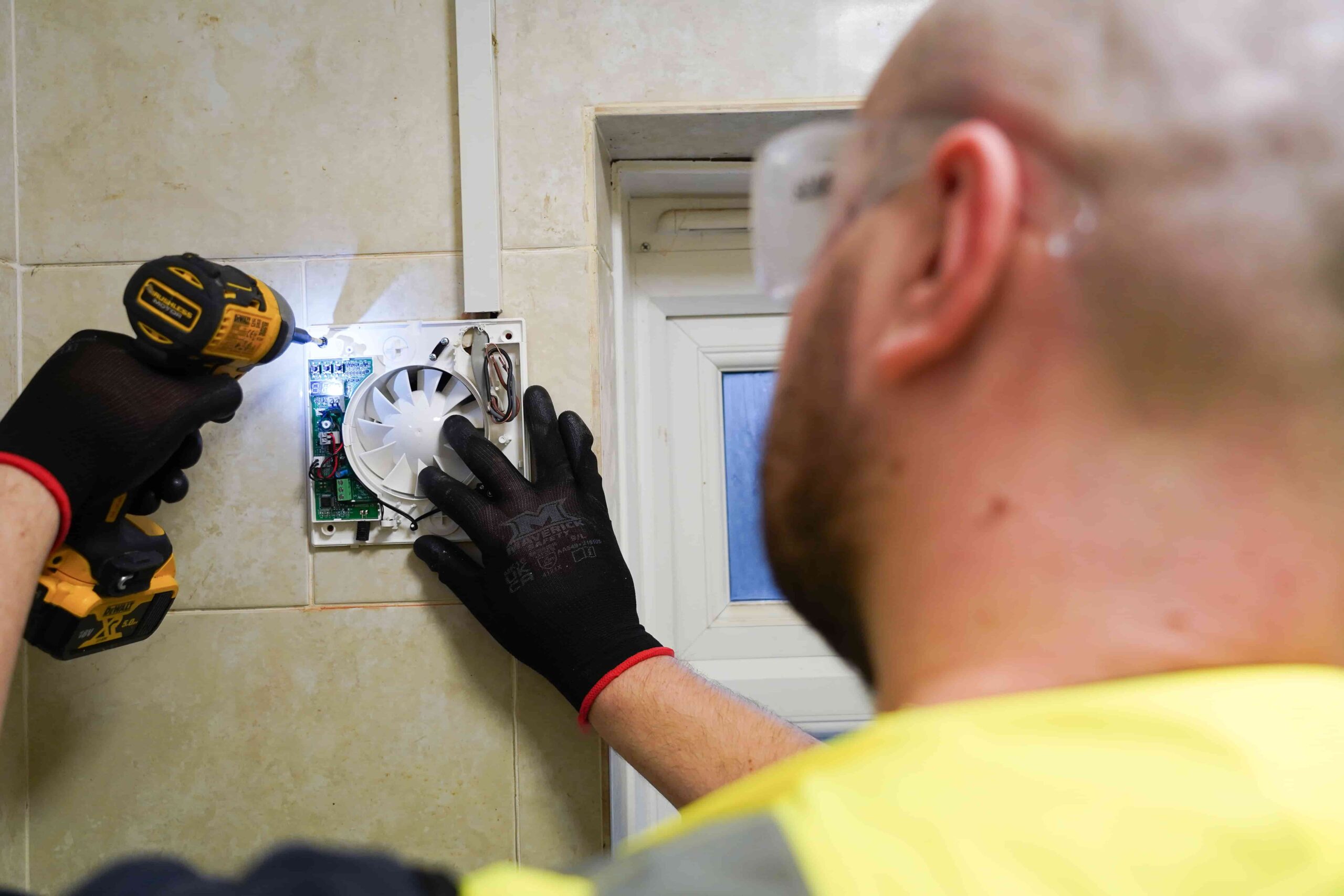
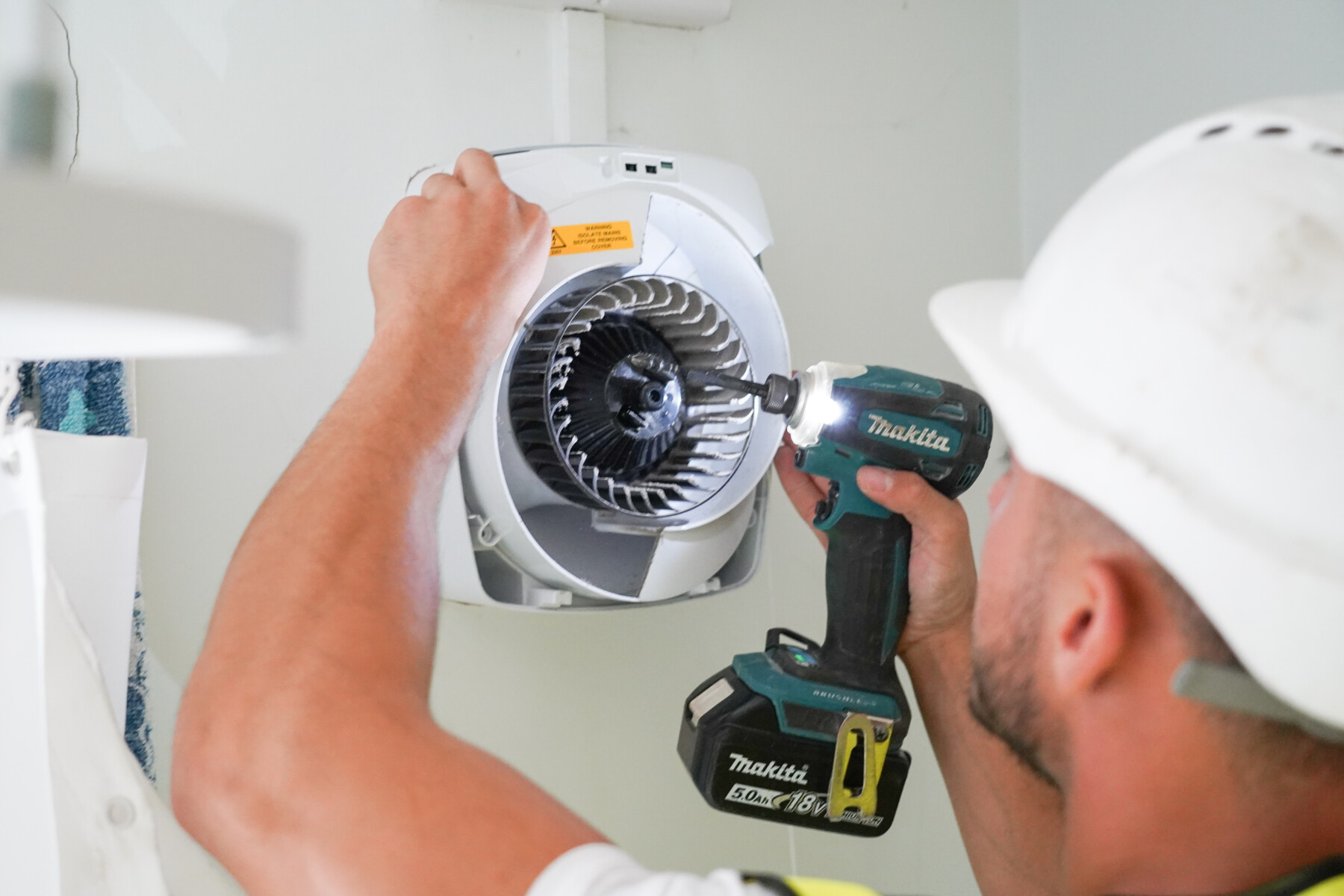
- Targeted Extract Upgrades: Install or upgrade humidity- or timer-controlled fans in wet areas.
- Ventilation Performance: Inspect, clean and repair systems to ensure effective airflow.
Fabric Repair & Reinstatement
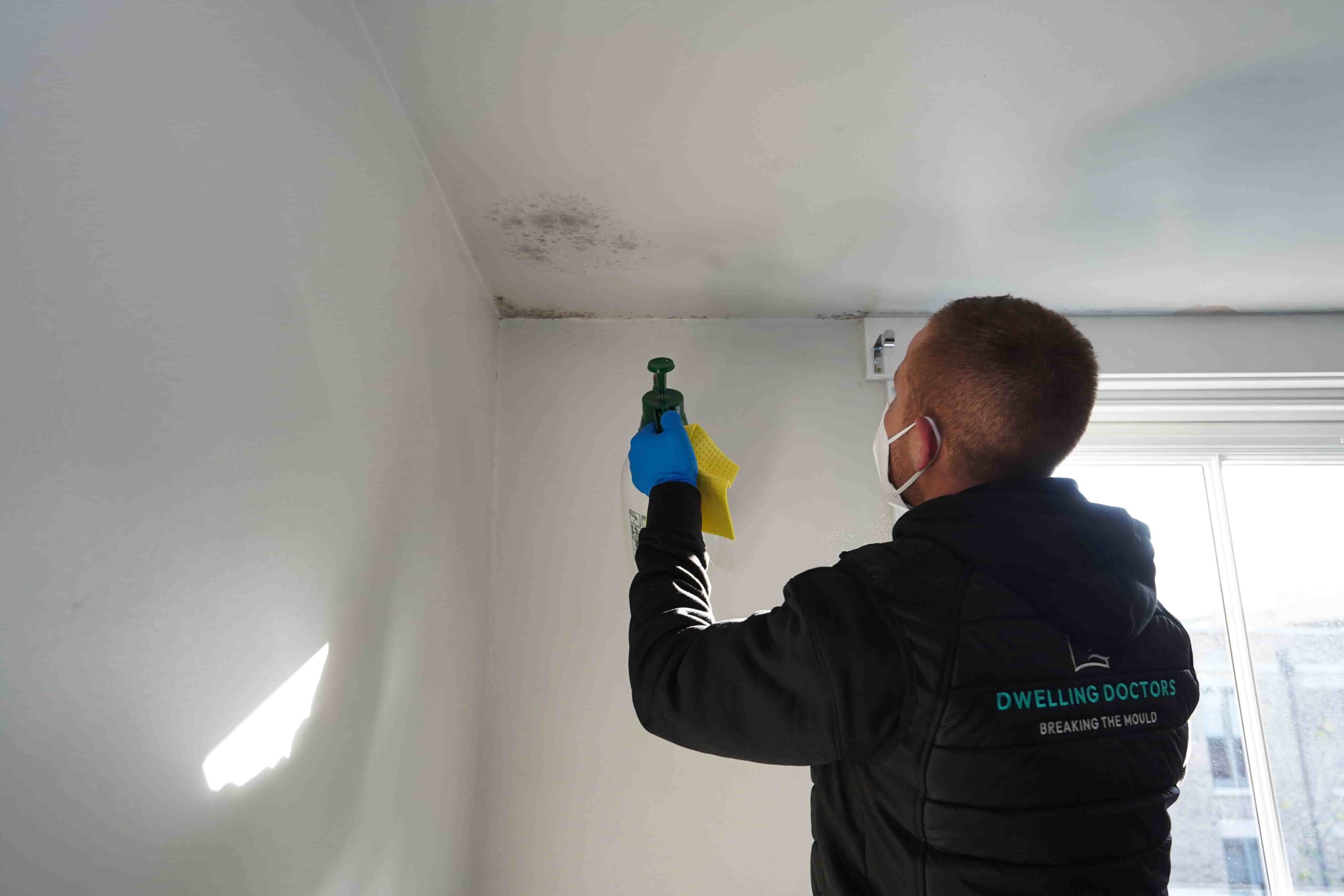
- Mould Removal & Treatment: Clean and treat surfaces to remove contamination and prevent regrowth.
- Plaster, Timber & Floor Repairs: Replace damaged plaster, timber and flooring as required.
- Thermal Lining & Insulation: Add targeted insulation to reduce cold spots and thermal bridging.
- Redecoration & Make-Good: Reinstate finishes with breathable materials once dry.
Verification & Prevention
- Post-Remediation Verification: Follow-up inspections and moisture checks to confirm issues are resolved.
- System Management Support: Clear guidance for residents on how to use ventilation and heating systems effectively.
- Guarantees on Works: Written guarantees on remedial works and installed systems to support long-term confidence.
Trusted by Social Housing Providers










Talk to US About Securing Awaab’s Law Compliance With Confidence
By combining digital coordination with technical expertise, we help you manage damp and mould cases in a timely, reliable and compliant manner, with a focus on creating safer, healthier homes for residents.
Accreditations
Selected accreditations held across the Axis CLC Group.











Download Our Latest Damp & Mould Brochure
Explore our damp and mould remediation services designed to help you maintain compliance, protect your assets, and create healthier homes for residents.




Damp & Mould FAQs
What is Awaab’s Law?
Awaab’s Law is a legal amendment, introduced through the Social Housing (Regulation) Act 2023, designed to enforce strict timeframes for social housing landlords to investigate and remediate hazards such as damp and mould.
The law is named after Awaab Ishak, a two-year-old who tragically died from prolonged exposure to mould in his social housing flat.
What are the new key deadlines?
Key deadlines under the law include: investigating significant damp and mould hazards within 10 working days of awareness; providing a written summary within 3 working days of the investigation; commencing safety works within 5 working days if a significant hazard is confirmed; and addressing emergency hazards (including extreme damp/mould) within 24 hours.
How does Awaab’s Law affect property services providers like CLC?
Contractors engaged by owners and landlords will play a vital role in meeting statutory deadlines. CLC supports rapid triage, delivers specialist surveys and remedial works, and provides data capture and evidence compatible with audit trails.
CLC’s digital offering positions the business as a compliance enabler, helping clients demonstrate a clear ‘defence of reasonableness’ through auditable proof of investigation dates, reports issued, works commenced and completed.
Contractors must also ensure workforce readiness for faster mobilisation and scheduling, skills matching (root-cause diagnosis, damp remediation, ventilation upgrades) and support real-time reporting systems.
How does Awaab’s Law affect property owners and landlords, particularly in social housing?
For social housing landlords, the law imposes specific operational obligations, including investigating significant damp and mould hazards within 10 working days of awareness, issuing a written summary within 3 working days, commencing safety works within 5 working days, and addressing emergency hazards within 24 hours.
The law gives tenants greater legal standing to hold landlords accountable through tenancy agreements, meaning landlords must embed compliance within contractual, operational, reporting and asset-management frameworks.
Social landlords must invest in data systems, streamlined works-order management, integrated asset condition processes, and cultural change across repairs and maintenance teams to deliver fast, auditable and long-lasting solutions. Failure to comply can lead to regulatory action, legal claims and reputational damage.
Does Awaab’s Law only affect landlords in social housing?
At present, Awaab’s Law applies to registered social housing providers in England and initially focuses on damp and mould hazards.
The Government has indicated an intention to extend similar duties to the private rented sector through the Renters’ Rights Bill, although detailed timeframes and implementation are still subject to consultation.
Property owners, landlords and managers across all sectors should therefore monitor developments closely and prepare for future compliance requirements rather than assume private rented properties will remain exempt.
What types of damp are there?
- Rising damp: moisture from the ground moving up through the wall structure.
- Penetrating damp (or rainwater ingress): moisture entering from outside due to defects such as roof leaks, damaged render or faulty gutters; this can occur at any wall height.
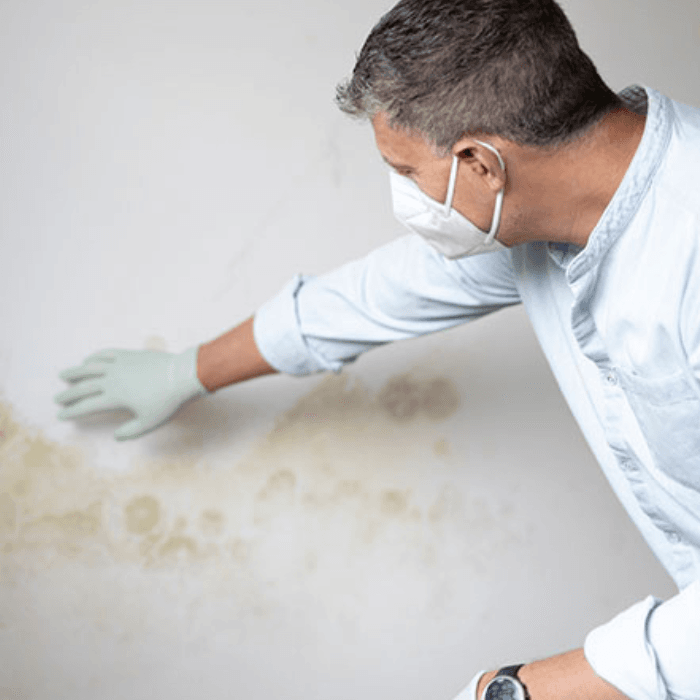
- Condensation damp: caused by high internal humidity levels and inadequate ventilation or air movement, leading to surface moisture and mould growth on cold surfaces such as windows, walls and furniture.
Each type of damp differs in cause, indicators and remedial approach, making correct diagnosis essential for effective specification and cost control.
What is rising damp and why is it prevalent in older properties?
Rising damp is the upward movement of ground moisture through porous masonry materials by capillary action. It typically affects the lower sections of walls where the damp-proof course has failed, been bridged or is missing altogether.
Common indicators include tide marks or damp patches up to around one metre high, salt deposits on plaster, peeling paint or wallpaper, and occasional timber decay where skirting boards and flooring meet the wall.
While less common than some other forms of damp, rising damp remains significant in older housing stock because many properties either lack an effective damp-proof course or have one that has deteriorated over time.
What causes damp and mould in a property?
Damp and mould can be caused by a range of issues, including:
- Building fabric defects such as failed damp-proof courses, cracked walls, damaged render, leaking roofs or poor drainage.
- Poor ventilation, inadequate heating and high internal humidity leading to condensation and mould growth.
- Water ingress and moisture bridges caused by raised ground levels, blocked cavity drainage or defective waterproofing systems.
- Lack of maintenance or delays in remedial works, resulting in unresolved underlying issues.
- Unsuitable materials and finishes, such as impermeable paints or renders that trap moisture within the building fabric.
What services does CLC provide in the field of damp and mould remediation?
CLC delivers a full range of damp and mould remediation services, from specialist mould treatments and fungicidal applications through to plaster repairs, timber treatments, damp-proofing systems, ventilation upgrades and waterproofing solutions.
CLC adopts an engineered, long-term approach focused on resolving root causes and preventing recurrence rather than simply treating symptoms.
The business supports landlords and asset owners in meeting compliance requirements under Awaab’s Law, protecting resident wellbeing and reducing portfolio risk.
What is CLC’s digital offering in damp and mould remedial works?
CLC’s platform integrates digital workflows to support compliance and improve response times. This includes intelligent triage supported by IoT sensors and vulnerability flagging, mobile applications for on-site data capture, moisture readings and geo-tagged photography, as well as automated report generation and work-order management.
The end-to-end digital approach provides auditable evidence of investigations, supports compliance with statutory deadlines, and delivers real-time asset condition insights to help both senior management teams and operatives work more effectively.